
Financialize Everything
The federal agency protecting the grift economy


Welcome to You’re Probably Getting Screwed, a weekly newsletter and video series from J.D. Scholten and Justin Stofferahn about the Second Gilded Age and the ways economic concentration is putting politics and profits over working people.
“The long-term vision is to financialize everything and create a tradable asset out of any difference in opinion.”
Sounds great right? In a world already financially optimized to suck our wallets dry, we can extend that principle even further! That quote summarizing the vision for prediction markets came from Kalshi co-founder Tarek Mansour. Prediction markets are online markets where you can speculate on the likelihood of various events from the winner of the Super Bowl to how long President Trump’s State of the Union speech will be. Put another way, prediction markets allow you to gamble on everything, all of the time, from your phone. Kalshi, along with its competitor Polymarket, represent the prediction market duopoly.
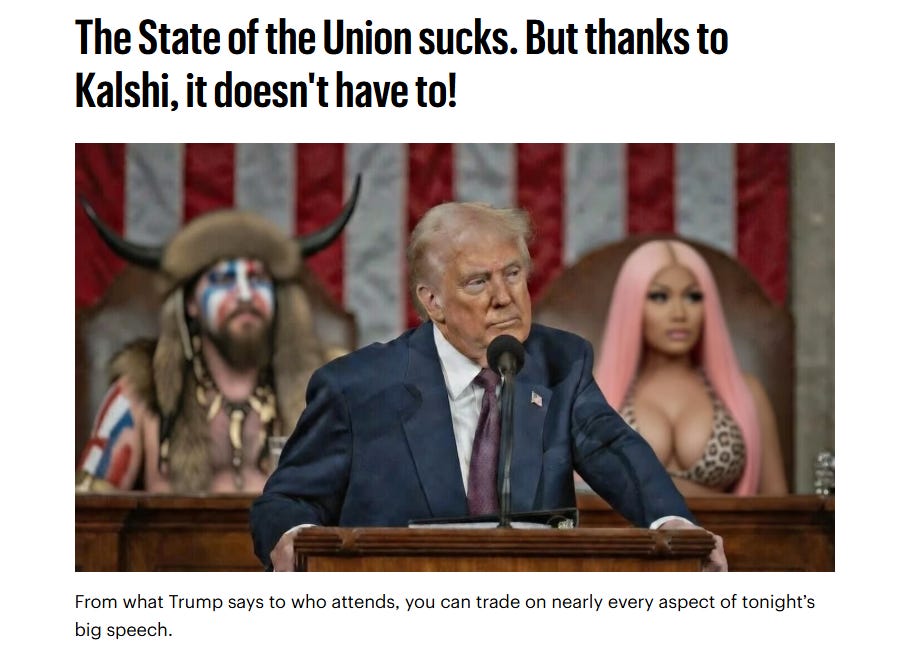
The utopian vision for prediction markets is based on the concept popularized by James Surowiecki in his book The Wisdom of Crowds. As Surowiecki told Pablo Torres, “under the right conditions, people can be remarkably intelligent.” This has underscored the interest by political pundits in the use of prediction markets as a check on traditional polling. Whether that utopian vision is meaningful to you or not, it is far from reality. Prediction markets have been mostly sports with a side of insider trading, and in some cases both at once. Consider NBA star Giannis Antetokounmpo becoming a Kalshi shareholder right after the league’s trade deadline where he was the source of fierce trade speculation (he helped drive) and lots of Kalshi bets.
The concerns for fraud and the detrimental impact gambling has on people’s finances has driven policymakers to act. The United States Senate banned members and staff from using prediction markets, Massachusetts Attorney General Andrea Joy Campbell has sued Kalshi for violating state gambling laws, and Minnesota Governor Tim Walz signed legislation making it the first state to ban prediction markets altogether. The passage of Minnesota’s law speaks to the potential politics of this issue as the state’s legislature was tightly divided with a one-seat Democrat majority in the Senate and a tied House. While the ban was tucked into a larger public safety bill that received broad bipartisan support, a standalone version passed the Senate by a 56-10 margin.
The ban has become the latest salvo between the Trump Administration and the states. Earlier this week the Commodity Futures Trading Commission (CFTC) sued Minnesota seeking to block the new law, which prohibits anyone from operating or advertising a prediction market platform in Minnesota, but also includes exclusions for standard commodities and securities purchases. In a press release announcing the lawsuit, CFTC Chair Michael Selig argues the ban could harm Minnesota farmers, although that argument is likely based on an earlier version of the ban Walz signed into law that did not include the exclusions. Instead, what the CFTC will likely argue is what it has already asserted, that it has sole authority over prediction markets and the states can buzz off.
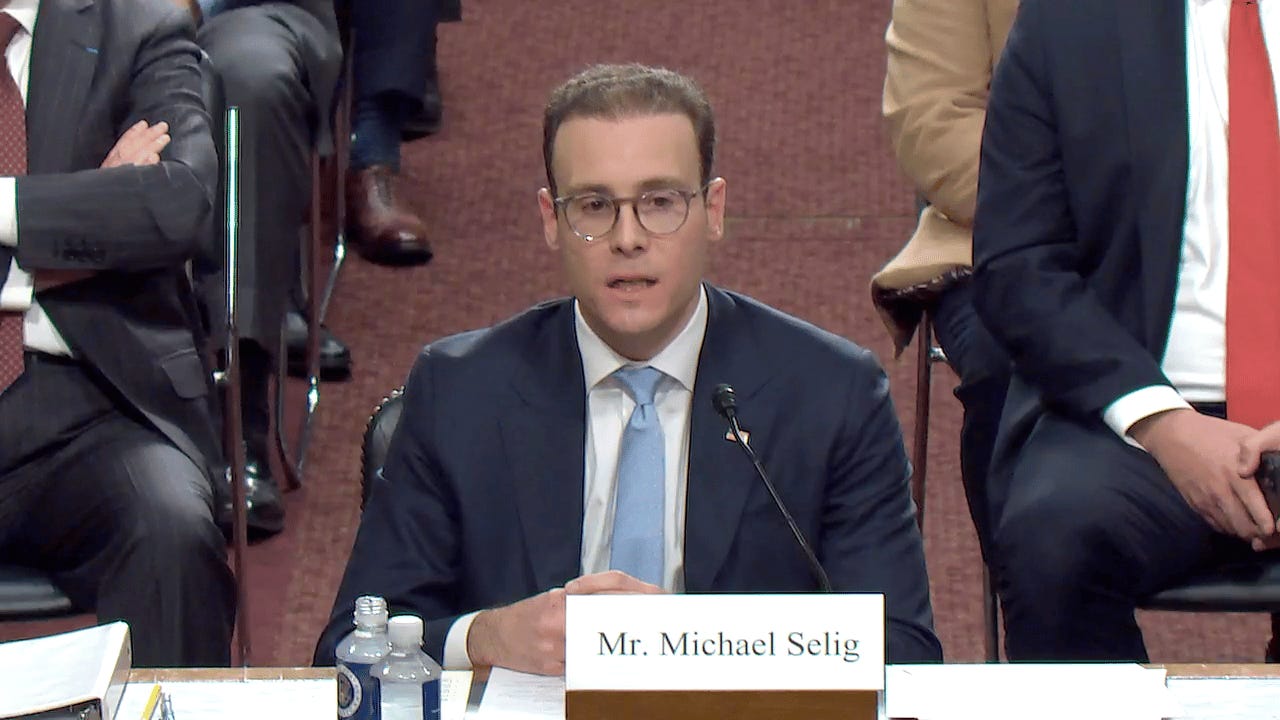
Until recently the CFTC was a mostly little known regulatory agency with roots in agriculture. Nearly a century ago Congress established the Grain Futures Administration at the USDA and its purview was expanded to additional commodities in 1936. As futures contracts expanded in scope, Congress created the CFTC in 1974 as an independent agency. It granted the CFTC with exclusive jurisdiction over commodity futures and options, meaning states are federally pre-empted from regulating futures contracts. While the agency is still tasked with policing fraud in commodity futures, crypto and prediction markets have now come under its purview.
Under the Biden Administration, the CFTC was actively involved in trying to reign in prediction markets. They proposed a rule in 2024 that would have banned prediction contracts tied to political outcomes. In 2022 they banned Polymarket, which operates largely through cryptocurrency, from operating in the US. The landscape has dramatically changed under the Trump Administration to the benefit of Kalshi and Polymarket. Selig, appointed by Trump last year, has said he shares President Trump’s vision of making the United States the crypto capital of the world. His effort to ensure CFTC maintains its exclusive regulatory control over prediction markets has little to do with actually regulating them.
Earlier this year the final attorney working at the CFTC’s office in Chicago, its hub of enforcement that deals with the most complex cases, resigned. The agency pulled the Biden-era rule on political events contracts and a 2025 staff advisory that placed strict limitations on sports-related event contracts. Those changes have effectively lowered the bar for listing new event contracts. The agency is also working with Polymarket to fully integrate them back into the US market. All of this helps explain why the CFTC has been so aggressive in suing states (Arizona, Connecticut, Illinois, and New York) that have attempted any oversight of prediction markets. Meanwhile Donald Trump Jr. serves as a strategic advisor for both Polymarket and Kalshi and has invested in Kalshi. Truth Social is also seeking to get into the prediction market game. Coincidence I’m sure.

Beyond the clear corruption, the CFTC’s primary argument is that prediction markets, even those for sports, are fundamentally different from gambling, which the states have authority to regulate. The lawsuits against Minnesota and other states will have important implications for shaping that discussion. However, it might also be important for Congress to reconsider the role states play in this space regardless of how the courts rule. The CFTC’s exclusive regulatory authority is part of a broader argument for efficiency and avoiding a “patchwork of regulations” that big corporations constantly complain about. But the importance of states having the authority to govern markets has been on display recently.
It was the states, not the Trump Administration, that held Ticketmaster to account for its illegal monopoly. It is states, not the Trump Administration that have banned the use of noncompetes that rob workers of their liberty. We just wrote about California’s antitrust lawsuit against Amazon, using state law, that has exposed their price-fixing practices. States are not just important when the federal government is dropping the ball, they play an essential role in ensuring fair and distributed markets.
YOU’RE PROBABLY (ALSO) GETTING SCREWED BY:
Ticketmaster
“Oh Live Nation texted, they want to play monopoly tonight.”
Grocery Giants
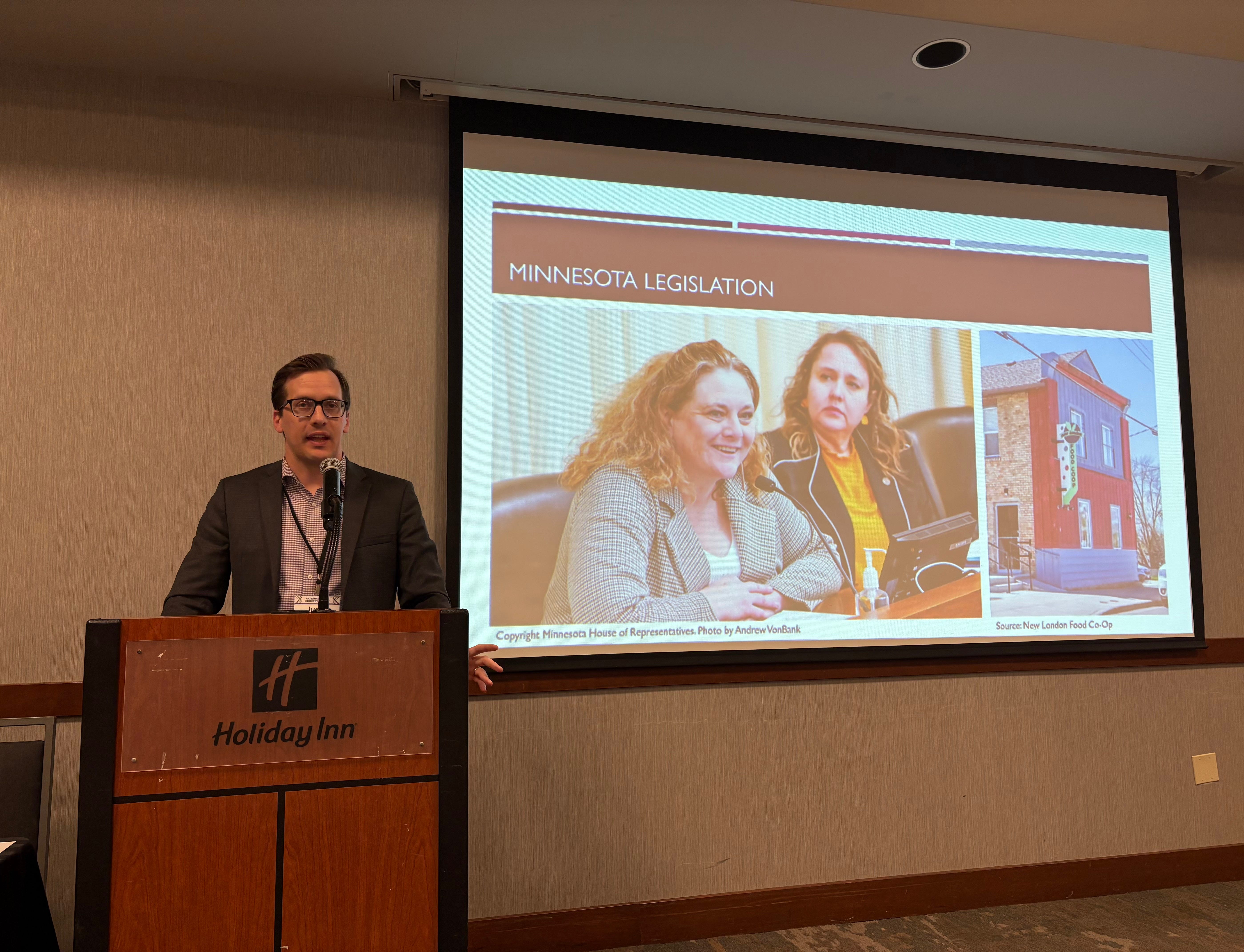
A couple of weeks ago I had the pleasure of presenting at the National Rural Grocery Summit in Fargo. The event is hosted by Kansas State University’s Rural Grocery Initiative. I was on a panel with Ron Knox of the Institute for Local Self Reliance and Claire Kelloway of the Open Markets Institute along with two rural Minnesota grocers discussing the impacts of price discrimination and what can be done to crack down on the practice. In Who Shall Rule, Ron has a fantastic piece summarizing conversations he had with grocers at the summit. It was a remarkable event and there was a lot of discussion amongst grocers about the issue of price discrimination.
Agri Stats
Speaking of Claire, you need to check out her piece in Food & Power on the settlement with Agri Stats the Department of Justice reached the other week. Agri Stats was sued by the Biden Administration for allegedly facilitating price-fixing among the major meat processors and driving up the cost of meat. The settlement is very complex and seems near impossible to enforce, so it was a disappointing result, particularly given the six states (including Minnesota) on the lawsuit all agreed to the settlement. This could have been a tip of the iceberg kind of case as the use of third party firms to collude and fix prices is expanding.
SOME GOOD NEWS:
Antimonopoly Campaigning
Several weeks ago we shared a video from Nebraska Senate candidate Dan Osborn talking about the high costs of credit card fees. In Michigan, Senate candidate Abdul El-Sayed is out with a new video on hospital monopolies. I’ve long been a proponent of openly campaigning against corporate monopolies so it is exciting to see candidates recognizing the salience of the issue.
Newsom Tabs Chopra
California Governor Gavin Newsom has appointed Rohit Chopra, the former head of the Consumer Financial Protection Bureau (CFPB) to head the state’s new Business and Consumer Services Agency he announced last summer and launches on July 1. Chopra, who also served on the Federal Trade Commission (FTC) is a perfect choice to lead a new state agency.
BEFORE YOU GO
Before you go, I need two things from you: 1) if you like something, please share it on social media or the next time you have coffee with a friend. 2) Ideas, if you have any ideas for future newsletter content please comment below. Thank you.
Break Em Up,
Justin Stofferahn